

“Justice Verma On The Edge: Supreme Court Takes On Parliamentary Inquiry”
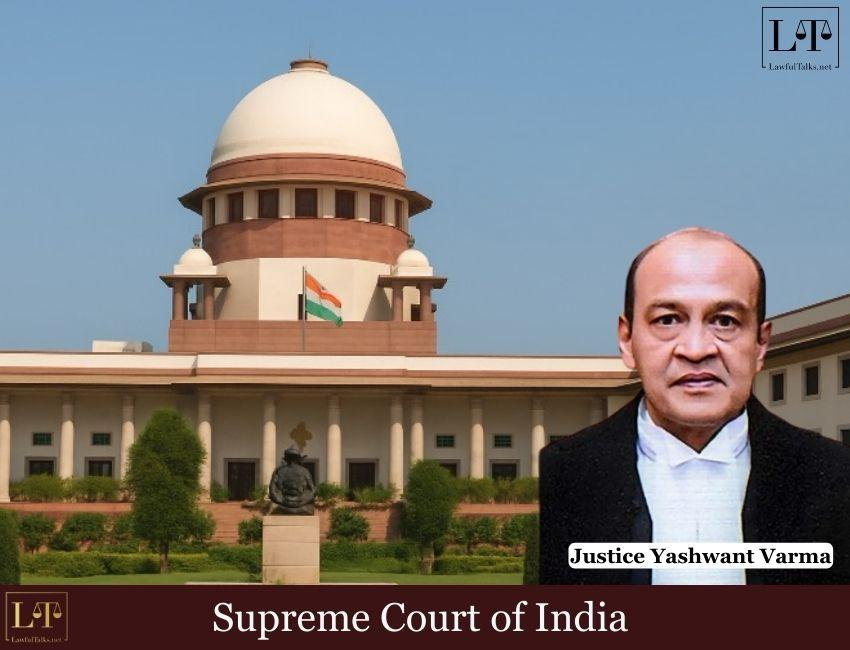
On January 8, 2026, the Supreme Court of India, comprising Justice Dipankar Datta and Justice Satish Chandra Sharma, reserved its verdict on a writ petition filed by Allahabad High Court Judge Yashwant Varma. Justice Varma has challenged the decision of Lok Sabha Speaker Om Birla to constitute an inquiry committee under the Judges (Inquiry) Act, […]
“Four Bail Orders, Ten Years Of Punishment—Supreme Court Corrects A Grave Wrong”
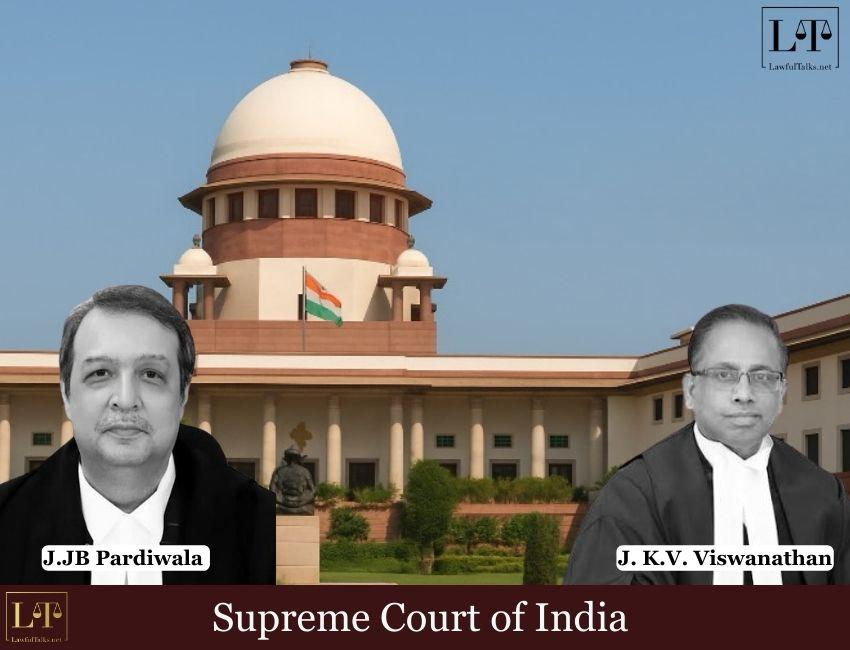
In a landmark judgment, Justice J.B. Pardiwala and Justice K.V. Viswanathan of the Supreme Court of India reinstated senior judicial officer Nirbhay Singh Suliya, who had been removed from service after 27 years of an unblemished career. The Court highlighted that judges should not face disciplinary action merely because their bail orders are seen as irregular. […]
“From Temple Foot-Washing To Preventive Detention: Supreme Court Draws the Line”
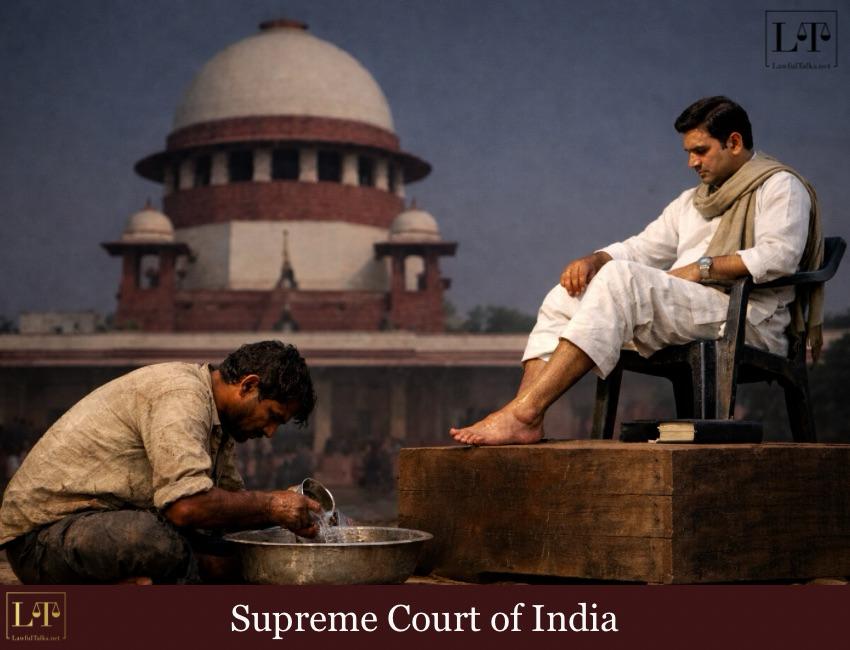
In a significant turnaround in a caste-related village dispute, the Supreme Court, headed by Justices Vikram Nath and Sandeep Mehta, ordered the immediate release of an accused who had been detained under the National Security Act (NSA). The case arose from an incident in which an Other Backward Caste (OBC) youth was allegedly forced to […]
Why Usufructuary Mortgages Don’t Die With Time: Supreme Court Explains
The Supreme Court, in a clear ruling to protect the rights of mortgagors, has held that in cases of usufructuary mortgages, the time limit for seeking redemption does not begin when the mortgage is created. Instead, it starts only when the mortgage amount is fully paid or legally adjusted. The Court rejected the argument of […]
“Why the Supreme Court Says High Courts Can’t Grant Arrest Protection Without Quashing FIRs”
A significant order was recently passed by the Supreme Court, which set aside an Allahabad High Court order that had refused to quash a FIR. While doing so, the High Court had directed the police to complete the investigation within a fixed time and had granted protection from arrest “till the concerned court takes cognizance […]
Memory, Time, And Justice Collide: SC Refuses Late Recall of Child Witness, Curtails Section 311 Powers
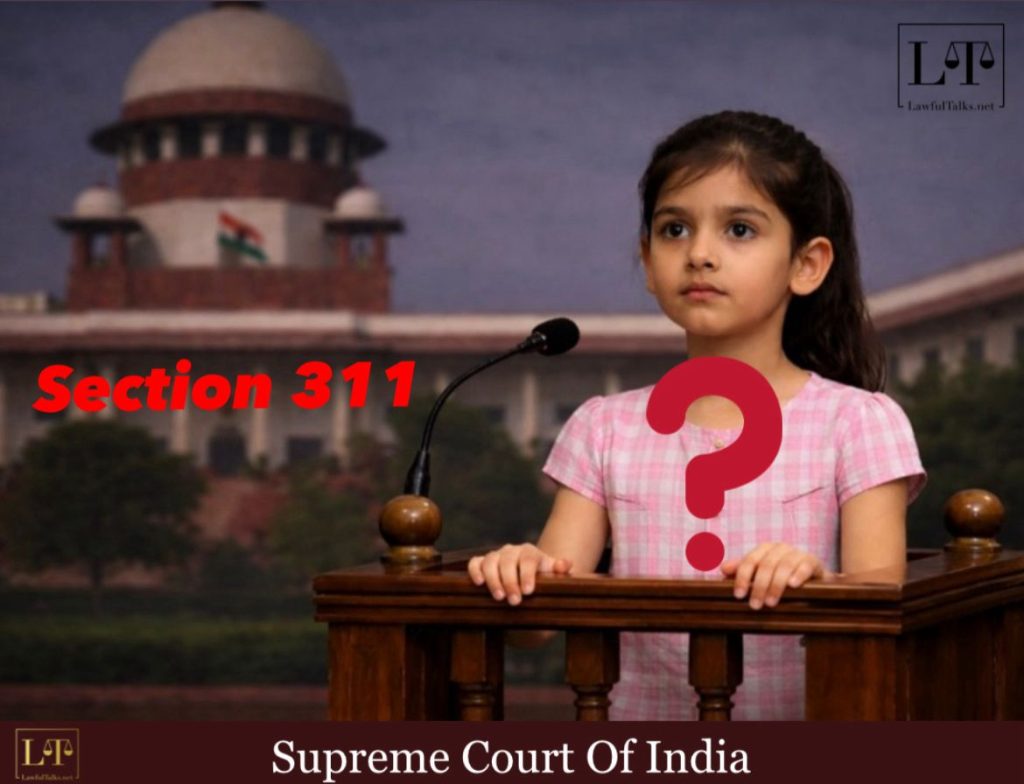
In a significant ruling by the Supreme Court of India, Justice Vikram Nath and Justice Augustine George Masih addressed a contentious issue surrounding the examination of a minor witness in a dowry death case. The case arose from the suicide of a young woman in 2017, which was allegedly caused by cruelty and dowry demands […]
Breathing Through Tubes, Waiting For Release: Supreme Court Weighs A Heartbreaking Plea
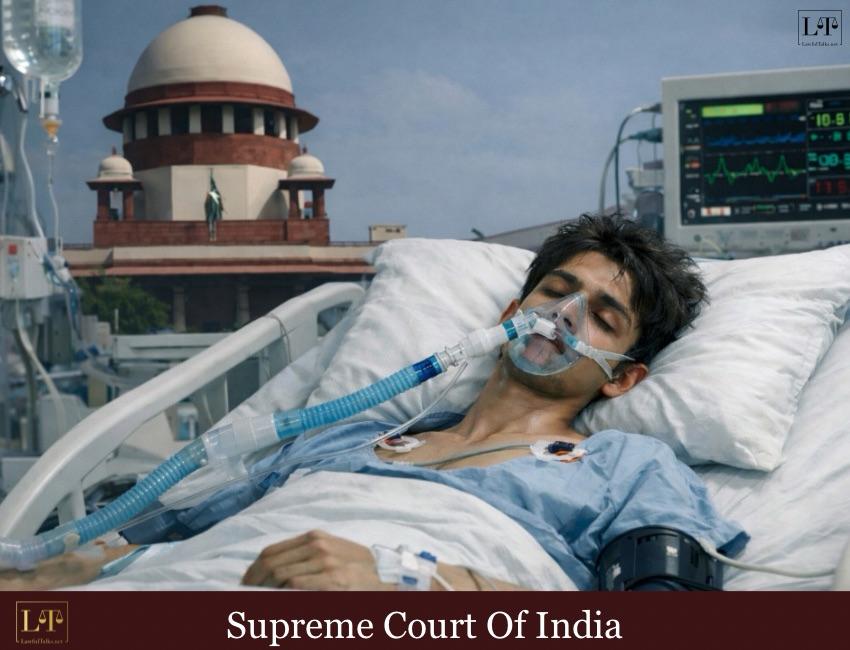
The Supreme Court bench of Justice JB Pardiwala and Justice KV Viswanathan considered a heartbreaking AIIMS medical report on a 32-year-old man who has been in a vegetative state for the past 12 years after falling from a building. The court was hearing a plea filed by his father seeking permission for passive euthanasia to […]
Recoveries From Pocket Don’t Count—Why Does The SC Say Not Every Recovery Is A ‘Discovery’ Under Section 27?
The Supreme court has clarified the scope of Section 27 of the Indian Evidence Act, ruling that merely recovering incriminating articles from the custody of an accused person does not amount to “discovery’’based on a disclosure statement. The bench of Justice Ahsanuddin Amanullah and Justice K. Vinod Chandran held that for Section 27 to apply, […]
“Married, Burnt, Betrayed by Law—Until SC Steps In: ‘Groom Price’ Dowry Evil Across Faiths Laid Bare’
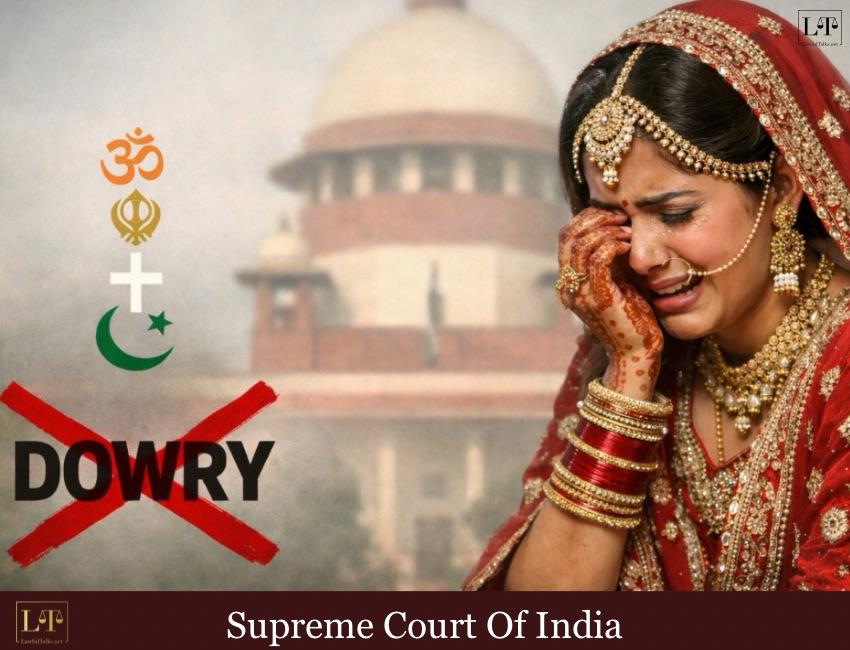
In a landmark judgment delivered by Justice Sanjay Karol alongside Justice N Kotiswar Singh, the Supreme Court of India restored the conviction of Ajmal Beg and his mother Jamila Beg for their roles in the dowry death of Nasrin, a young bride barely 20 years old, underscoring the persistent menace of dowry demands across communities. […]
Big Murder Ruling: SC Says “Sudden Quarrel’’ Not Enough For Section 300 Exception
The Supreme Court has reaffirmed that where an accused repeatedly stabs an unarmed person without any element of mutual fight or self-defence, the offence squarely falls within the ambit of murder punishable under Section 302 of the Indian Penal Code. Rejecting the plea for a lesser offence, the Court held that such acts cannot be […]